
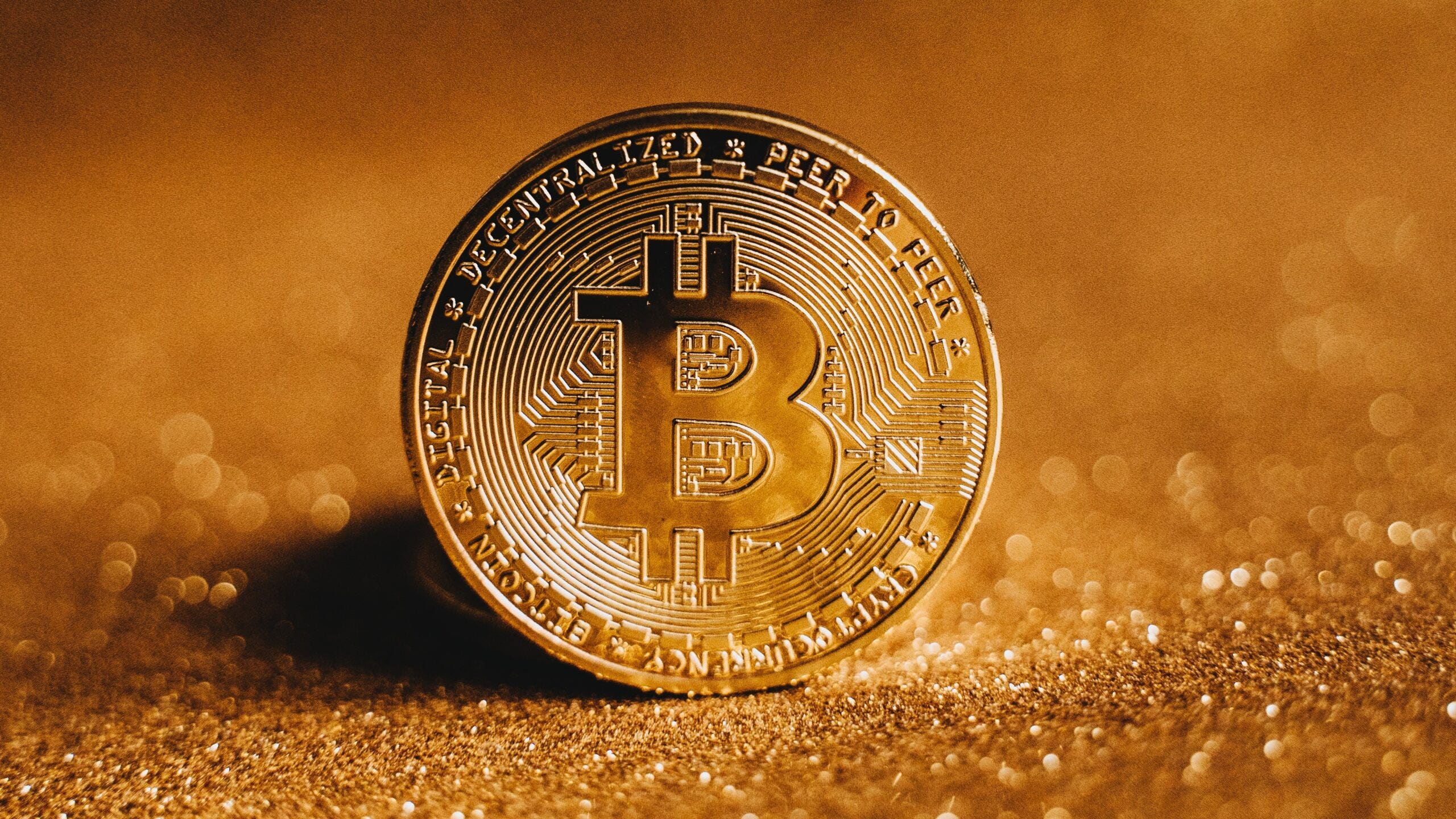
You decide to buy your first piece of digital money, so you open an app on your phone. Three minutes later, your bank account has $50 less and your new phone screen shows a tiny fraction of a coin. That app is a crypto exchange, and it works much like a grocery store for digital coins.
A crypto exchange is a online business that connects people who want to buy digital money with people who want to sell it. Instead of apples or milk, these stores trade computer tokens like Bitcoin and Ethereum. They keep the trades safe, check everyone's ID, and match up prices every second of the day.
The Basic Job of a Crypto Exchange
Imagine a giant indoor flea market. On one side of the room, hundreds of people stand with signs saying they want to buy a computer. On the other side, hundreds of people hold signs saying they want to sell a computer. If everyone screams at once, nobody trades anything.
The exchange acts as the person standing in the middle of that market with a loud speaker. It looks at the highest price a buyer offers and matches it to the lowest price a seller wants. When those two numbers meet, the trade happens in a millisecond. You can learn more about the history of cryptocurrency to see how these markets grew from small message boards into huge global platforms.
Without these trading platforms, you would have to find a seller yourself. You would need to message a stranger on the internet, send them cash from your bank, and hope they actually send the coin back to you. That was how people traded back in 2010, and many people lost cash to dishonest strangers. The modern exchange removes that personal risk by holding the cash and the coins until the trade completes.

Centralized Exchanges How the Big Apps Work
Most beginners start with a centralized exchange. Big companies run these apps, and they feel just like your normal online banking app. Coinbase, Binance, and Kraken are well known examples of this type of store.
When you use a centralized app, the company acts as a middleman. You send your traditional dollars or euros to the company, and they hold it in an account for you. When you push the buy button, the company moves coins into your account list. They keep track of everything on their own private computer systems, not on the public network.
This setup makes buying very smooth. If you forget your password, you can click a button, check your email, and reset it. If you have a question, you can message customer support. But this ease comes with a trade-off. The company holds your real money and your private computer keys. If the company goes broke or gets hacked, your money could vanish.
Decentralized Exchanges Trading Without a Boss
Some traders do not want a big company standing in the middle. They prefer to use a decentralized exchange, often called a DEX. These platforms do not have a head office, a customer service desk, or a CEO.
Instead of a company, computer code runs the store automatically. You connect your own private digital wallet directly to the site. When you trade, your coins go straight from your personal wallet into another person's wallet. The code handles the trade instantly without asking for your name or holding your funds.
This system gives you total control of your money, but it demands careful attention. No one can help you if you send money to the wrong address. If you forget your password words, your cash stays locked away forever. For stable prices during these trades, many users swap into digital dollars, which you can read about in this guide on What Are Stablecoins and How Do They Really Work.
How Matching Engines Work Behind the Screen
When you click the green buy button, a special computer program goes to work. Engineers call this program a matching engine, and it sits at the very heart of every trading app. It works through a digital notebook called an order book.
The order book has two columns. The left column lists all the buyers and the highest price they will pay. The right column lists all the sellers and the lowest price they will accept. Here is a simple look at how an order book lists trades for one coin:
- Seller A wants $102 for 1 coin
- Seller B wants $101 for 1 coin
- Buyer C offers $99 for 1 coin
- Buyer D offers $98 for 1 coin
No trade happens yet because the lowest seller wants $101 and the highest buyer only offers $99. There is a $2 gap. But then you tap your app and place a market order to buy 1 coin right now. The matching engine gives you Seller B's coin for $101 because that was the best price available on the board.
How Crypto Exchanges Make Money
Crypto platforms do not build these fancy trading systems for free. They make their profits by taking small bites out of every transaction that passes through their system. These small bites are called trading fees.
Most platforms charge a tiny percent on each trade, usually between 0.1 percent and 0.5 percent of the total price. If you spend $100 to buy coins, the platform might keep 20 cents and use the remaining $99.80 to purchase your tokens. That sounds tiny, but when millions of people trade billions of dollars each day, those small cents turn into massive company profits.
They also charge fees when you move your cash back to your local bank account. Some apps show zero trading fees on their main screen, but they hide their cost in the spread. The spread is the tiny difference between the true market price and the higher price the app presents to you. Always check the final confirmation screen to see the true cost before you tap buy.
What Happens When You Set Up an Account
Opening a new account on a regular trading app takes a few clear steps. Government rules require these stores to verify who you are before letting you trade cash.
First, you type in your email address and create a strong password. Second, the app asks you to take a photo of your official ID card or passport using your phone camera. Third, you snap a quick selfie so their software can match your face to your picture ID. This safety check keeps bad actors from using fake names to move stolen cash.
Once the platform approves your document check, you connect your personal bank account. You transfer $20 or $50 to test the connection. As soon as the bank money shows up in your app balance, you can pick a token, type in the amount you want, and complete your first trade. To keep your broad market learning going, explore more crypto basics guides for beginners.
The Real Risks of Using an Exchange
Trading apps offer simple ways to buy digital tokens, but you must keep the dangers in mind. Millions of dollars have vanished from platforms over the past decade due to bad security and dishonest management.
Hacking remains a constant risk. Big platforms store billions of dollars worth of computer code, which makes them prime targets for digital thieves. While top platforms store most funds on computers disconnected from the web, smaller or poorly run sites can lose funds quickly. You can review the details of Bitcoin security history to see how exchange safety has changed over time.
The second major danger comes from company failure. If a platform mismanagement its cash, it can go bankrupt overnight. When a platform files for bankruptcy, court judges freeze all accounts. You might have to wait years to get your cash back, and you might only get a fraction of what you put in. Never keep large amounts of money on an exchange for long periods.
Keeping Your Money Safe on Trading Apps
You can protect your money by taking three simple safety steps as soon as you sign up. These steps stop most common attacks before they start.
First, turn on two factor security on your account. This forces the app to ask for a code from a separate app on your phone every time you sign in. Second, use a long password that you do not use on any other website. Third, once you purchase coins that you plan to hold for a long time, move them off the trading app and into your own private hardware wallet.
Which safety feature will you set up on your account today?



0 Comments